Maintaining physical wellbeing at work is important whether your job involves sitting at a computer, standing for long periods, driving, lifting or continually moving between different tasks. Workplace discomfort often develops gradually, which can make stiffness, poor posture or recurring aches seem like a normal part of the working week.
They should not automatically be ignored. Understanding how your job places demands on your body can help you make practical adjustments and identify when professional assessment may be useful.
Why Physical Wellbeing at Work Matters
Different occupations create different physical demands.
Desk-based employees may spend long periods in relatively static positions, whereas tradespeople, healthcare workers, warehouse employees and teachers may repeatedly lift, bend, reach or stand.
Problems can develop when the body is exposed to the same load repeatedly without enough movement variation or recovery.
Common workplace complaints can include:
- Lower back discomfort
- Neck stiffness
- Shoulder tension
- Wrist or forearm discomfort
- Tired legs
- Reduced flexibility
- General muscular fatigue
These symptoms have many possible causes. Persistent pain, weakness, numbness or substantial changes in mobility should be assessed appropriately rather than self-diagnosed.
Improve Physical Wellbeing at Work Through Movement
One of the simplest ways to support physical wellbeing at work is to avoid remaining in exactly the same position for excessive periods.
There is no single “perfect” posture that must be maintained throughout an entire working day. Even a well-supported seated position can become uncomfortable if it is held continuously.
Instead, introduce movement where practical:
- Stand up periodically
- Walk during suitable breaks
- Change working position
- Move shoulders and arms after computer work
- Break longer repetitive tasks into sections
- Alternate between different activities where possible
GJP Health’s physiotherapy advice emphasises regular movement, flexibility and exercise as important components of maintaining joint and muscular health.
Physical Wellbeing at Work for Desk-Based Employees
Computer-based work can create long periods of reduced movement.
A workstation should allow you to work comfortably without repeatedly twisting, reaching or holding your head in an awkward position. Screens, seating and frequently used equipment should be positioned sensibly for the individual.
Useful adjustments include:
- Keeping commonly used equipment within easy reach
- Supporting the feet appropriately
- Positioning the screen at a comfortable viewing height
- Relaxing the shoulders rather than continually elevating them
- Taking regular movement breaks
- Avoiding working from unsuitable furniture for prolonged periods
If symptoms continue despite sensible changes, a more detailed assessment may identify mobility, strength or ergonomic factors contributing to the problem.
Physical Jobs Require a Different Approach
Physical wellbeing at work is equally important for employees who do not spend their day at a desk.
Manual roles can involve repetitive lifting, pushing, carrying and awkward working positions. Fatigue can also affect movement quality as a shift progresses.
Safe working practice should include appropriate training, task planning and correct equipment rather than relying solely on individual strength.
The principle applies across numerous workplaces, including education. Teachers themselves can experience physical demands from prolonged standing, classroom movement and desk-based marking, demonstrating that workplace physical health is relevant far beyond traditionally manual occupations.
Use Lifting Techniques That Match the Task
Generic advice to simply “lift with your legs” does not cover every workplace situation.
The load’s weight, shape, starting position and destination all influence how it should be handled. Where lifting is a regular occupational requirement, workers should receive task-specific manual handling guidance.
Whenever possible:
- Assess the load before moving it
- Use mechanical assistance where provided
- Avoid unnecessary twisting under load
- Keep the load controlled
- Ask for help where appropriate
- Follow workplace manual-handling procedures
Repeated pain during lifting should not simply be pushed through.
What Physiotherapy Can Do for Workplace Problems
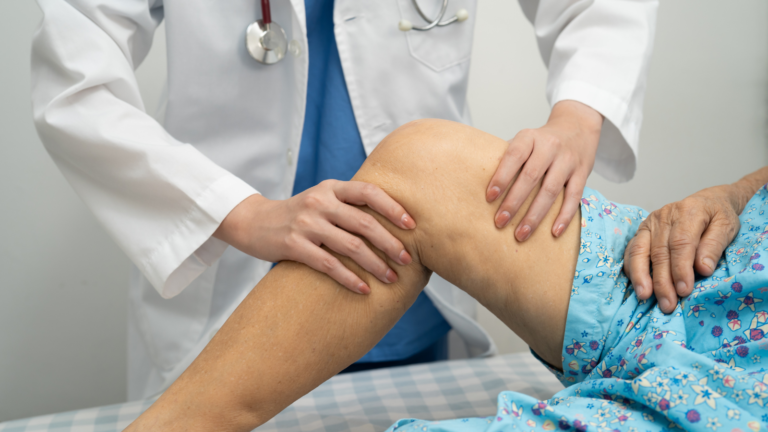
Physiotherapy can help assess musculoskeletal problems affecting movement and work.
GJP Health provides advanced physiotherapy with individualised rehabilitation, injury-prevention support and return-to-work planning from its Kings Norton clinic, serving Birmingham and the wider West Midlands.
Depending on the problem, management may involve mobility work, strengthening, rehabilitation exercises and advice around gradually returning to normal activities.
The goal is not only symptom relief but improving the body’s ability to manage relevant physical demands.
Final Thoughts
Supporting physical wellbeing at work requires more than buying an ergonomic chair or occasionally stretching. Movement variety, appropriate workplace setup, safe handling practices and adequate recovery all play a part.
Recurring pain should also be taken seriously. Addressing a developing physical problem early can be more effective than allowing discomfort to influence movement and everyday activities for months.
If workplace pain, stiffness or an injury is affecting your mobility, contact GJP Health today for professional physiotherapy and rehabilitation support in Birmingham and across the West Midlands.