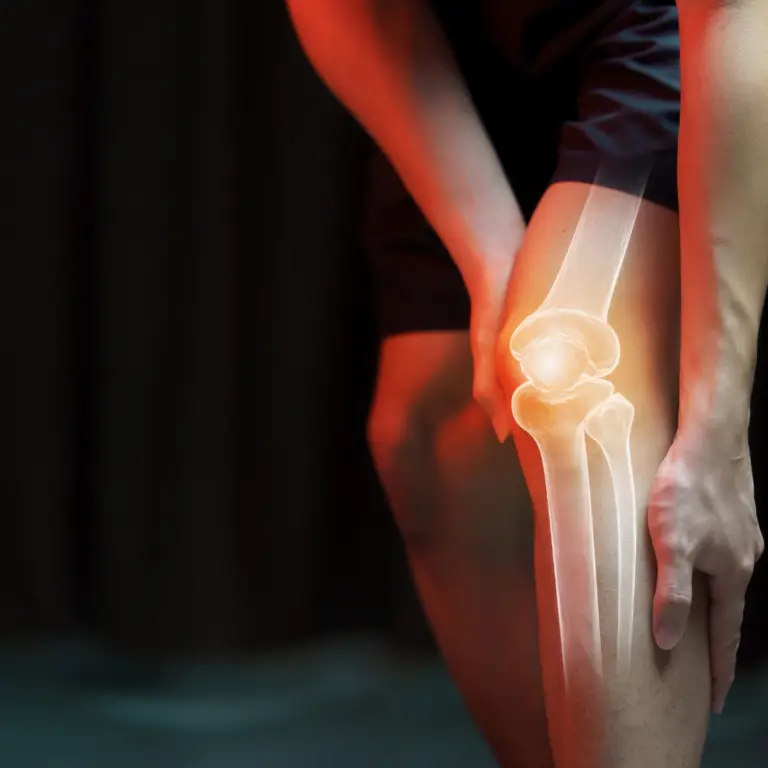
Accident prevention cannot be trained, but your body’s resistance can be raised. For professional athletes, this is standard procedure. Athletes receive the best care possible from a variety of professionals to prevent injury
So, as a regular sports enthusiast, what can you do to live as pain-free as possible and reduce visits to you physiotherapist?
What do professional athletes and regular athletes have in common?
The objectives of professional athletes are to perform and to avoid injuries. They must always be in top physical and mental shape. This is what every athlete, coach, and member of the medical staff strives for, especially in the event of an accident.
The main objectives for the majority of amateur athletes or sports lovers are enjoyment and health, whatever those terms mean to each individual. Second only to injury prevention are measures for the shoulder and knee. Professional athletes and amateur athletes may have comparable ambitions, but their starting points and “support systems” differ greatly.
Every so often, a friend’s tennis match, a daily jog a game of football are typical activities from the life of a sports enthusiast. People don’t consistently and methodically train. A sport cannot be expected to need complex techniques or well-developed neuromuscular coordination if it is only sometimes performed.
Injury in athletes happens as a result of an excessive load. Inadequate training is the primary cause of sports injuries in amateur athletes. Many amateurs are also unaware of their own stress and performance thresholds. They exaggerate their own skills while underestimating the dangers involved in sports. This difference leads to sports accidents.
Our way of life has drastically changed. Today, the majority of our time is spent working from home or in front of a computer. We take public transportation to work, which involves sitting down. A home office rarely provides a totally ergonomic setting for continuous stress during this time. Many of us turn to sports for relaxation and compensation after our workload in order to maintain our physical fitness. Some people may require a boost to combat the exhausting habit. It is true that physical and mental exhaustion increase our risk of harm.
Increasing muscle mass can help reduce or prevent injury
Strength and muscle are typically associated with increased safety and decreased chance of harm. According to research, coordinated muscle training can cut the risk of knee injuries in soccer by up to 50%. Therefore, a strong leg with a stable joint that acts appropriately at the appropriate time will reduce the risk of injury to ligaments, the muscle-tendon apparatus, the meniscus, and the bones for any athlete.
However, even the best-trained athletes can sustain injuries due to bad diet, lack of flexibility, loss of concentration, weariness, or pure strength alone. The correct healing procedure is essential in the event of an injury. Here, having precise strength information is quite useful.
If you would more information or advice about how to prevent injury whilst performing sports wheter you an amateur or professional then please get in touch with GJP Health Birmingham