Skip to content

In today’s world, where many of us spend long hours sitting at desks, staring at screens, or scrolling on our phones, it’s easy to forget about maintaining good posture. However, posture plays a critical role in overall health and well-being. Poor posture can lead to a host of physical problems, from back pain and fatigue to impaired breathing and even digestive issues. On the flip side, good posture promotes proper alignment, reduces strain on muscles and joints, and helps prevent injury.
In this blog, we’ll explore why good posture is important, the consequences of poor posture, and how to improve your posture for long-term health benefits.
What Is Good Posture?
Good posture means keeping your body in a balanced and aligned position, whether you’re sitting, standing, or moving. When your posture is correct, your bones, muscles, joints, and ligaments work together efficiently, allowing your body to function at its best. Proper posture distributes the force of gravity evenly across your body, minimising the stress on individual parts like your spine and joints.
Key Aspects of Good Posture:
- Your shoulders are back and relaxed, not rounded forward.
- Your head is in line with your spine, not pushed forward or tilted down.
- Your back maintains its natural curves (the cervical, thoracic, and lumbar curves).
- Your weight is evenly distributed between both feet when standing.
- Your core muscles are engaged to support your spine and torso.
The Benefits of Good Posture
Maintaining good posture offers numerous benefits for both your physical health and mental well-being. Here are some of the most important reasons to pay attention to your posture:
Reduces Back and Neck Pain
One of the most immediate benefits of good posture is relief from back and neck pain. Poor posture, such as slouching or hunching over, puts excessive pressure on the spine, leading to muscle tension, disc problems, and even herniated discs over time. By keeping your spine properly aligned, you reduce strain on your muscles, ligaments, and joints, preventing chronic pain and discomfort.
Prevents Joint Degeneration and Arthritis
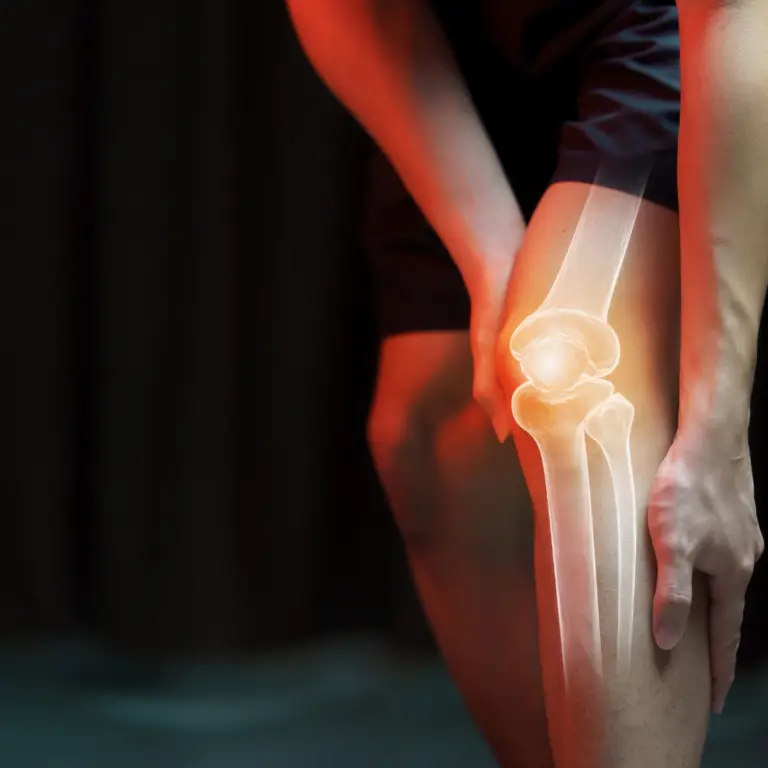
When your posture is poor, your joints, especially those in the spine, hips, and knees, bear unnecessary stress. Over time, this can lead to joint degeneration and increase your risk of developing arthritis. Proper posture ensures that your joints move smoothly and are not subjected to uneven wear, helping to prevent arthritis and joint pain.
Improves Breathing
Your posture can have a significant impact on your breathing. Slouching or hunching forward compresses your chest cavity and restricts the movement of your diaphragm, which can make breathing more shallow and labored. Good posture allows your lungs to expand fully, improving oxygen intake and promoting deeper, more efficient breathing. This is particularly important for athletes and people who engage in physical activity.
Boosts Energy and Reduces Fatigue
When you maintain good posture, your body uses energy more efficiently. Poor posture causes muscles to work harder to keep you upright, leading to fatigue and making everyday activities feel more tiring than they should. By improving your posture, you conserve energy and reduce muscle strain, helping you feel more energised throughout the day.
Enhances Digestion
Your posture affects more than just your muscles and joints—it can also impact your digestive health. Sitting or standing in a slouched position compresses your abdominal organs, making it harder for food to move through your digestive system. This can lead to issues like acid reflux, constipation, and bloating. Maintaining an upright posture can help improve digestion and prevent these problems.
Improves Circulation
Good posture allows blood to circulate more freely throughout your body. When you sit or stand with poor posture, you can compress blood vessels and impede circulation, especially in your legs. This can contribute to varicose veins, deep vein thrombosis (DVT), and other circulatory issues. Proper posture helps keep blood flowing smoothly, reducing your risk of circulation-related health problems.
Supports Mental Well-Being
Posture doesn’t just affect your body; it also influences your mental state. Studies have shown that sitting or standing with good posture can boost your mood, increase confidence, and reduce feelings of stress and depression. On the other hand, slouching or hunching over is often associated with low energy, negative emotions, and lack of focus. Simply improving your posture can have a positive impact on your mental and emotional health.
The Consequences of Poor Posture
Neglecting your posture can lead to a wide range of physical and mental health problems over time. Some of the most common issues caused by poor posture include:
- Chronic Back and Neck Pain: Poor posture can cause misalignment in the spine, leading to chronic pain and discomfort.
- Headaches: Tension in the neck and shoulders due to poor posture can trigger tension headaches.
- Muscle Fatigue: Overworked muscles from bad posture can lead to muscle fatigue and weakness.
- Joint Damage: Misaligned joints can wear down prematurely, leading to arthritis and joint pain.
- Breathing Problems: Slouching compresses the chest and limits lung capacity, making breathing less efficient.
- Digestive Issues: Poor posture can compress abdominal organs, leading to slow digestion and problems like acid reflux.
- Mental Health Issues: Prolonged poor posture can contribute to feelings of stress, low mood, and lack of confidence.
How to Improve Your Posture
Improving your posture takes time and conscious effort, but the benefits are well worth it. Here are some tips for maintaining good posture in different situations:
Sitting Posture
- Keep your back straight and shoulders relaxed, but not slouched.
- Ensure your feet are flat on the floor and your knees are at a 90-degree angle.
- Use a chair with proper lumbar support to maintain the natural curve of your lower back.
- Keep your computer screen at eye level to avoid tilting your head forward.
Standing Posture
- Stand with your shoulders back and your weight evenly distributed between both feet.
- Engage your core muscles to support your spine.
- Avoid locking your knees, and keep a slight bend to avoid hyperextension.
- Keep your head in line with your spine and avoid pushing it forward.
Sleeping Posture
- Use a mattress and pillow that support the natural curves of your spine.
- Avoid sleeping on your stomach, as this can strain your neck and back.
- Sleep on your side or back to maintain better alignment.
Move Regularly
- Avoid sitting or standing in one position for too long.
- Take regular breaks to stretch and move around, especially if you work at a desk.
- Incorporate exercises like yoga or Pilates to strengthen your core and improve posture.
Conclusion
Good posture is essential for maintaining physical health, reducing pain, and improving overall well-being. Whether you’re sitting at a desk, standing, or moving, paying attention to how you hold your body can have a profound impact on your health. From reducing back pain to boosting energy levels, the benefits of proper posture are far-reaching. With some simple adjustments and mindful habits, you can improve your posture and enjoy better health for years to come.